Guides
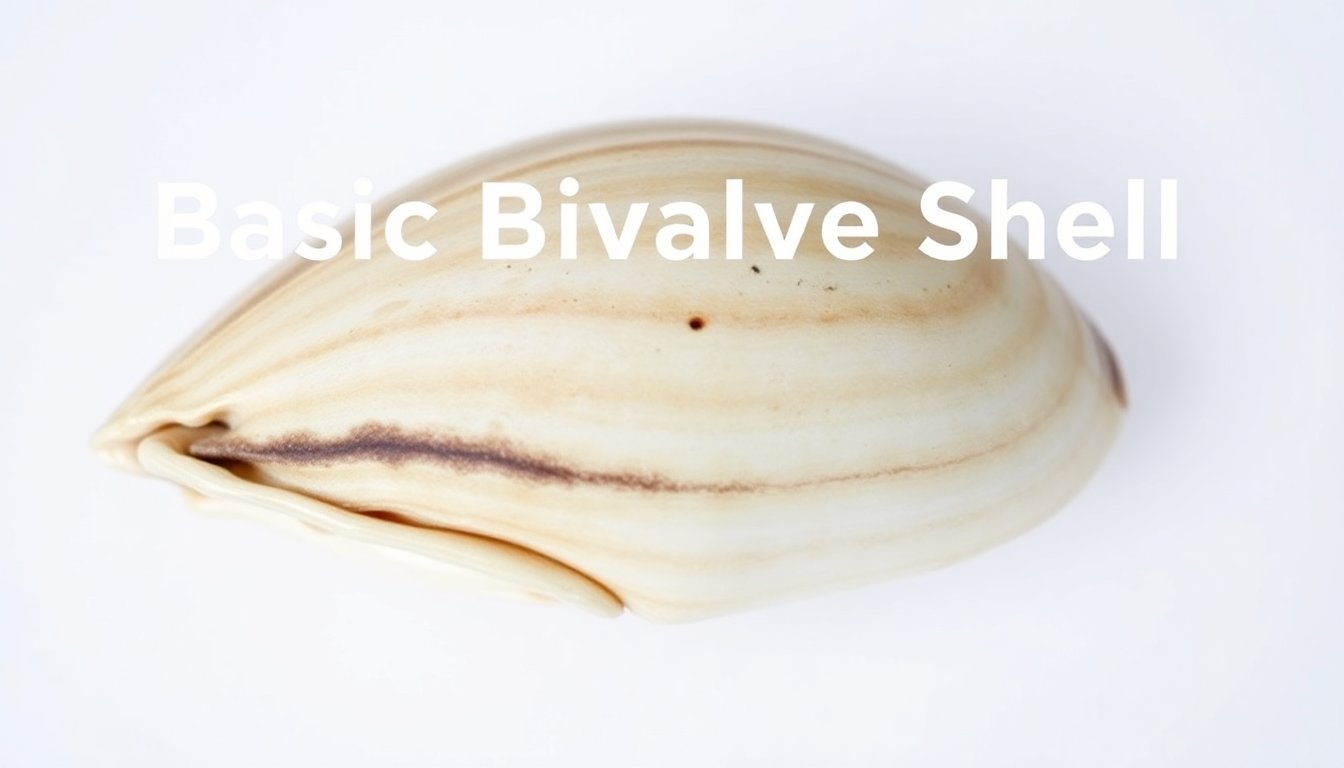
Basic Bivalve Shell Vocabulary for Describing a Find
Whether you are sorting a beach find or recording a possible Manila clam (Ruditapes philippinarum) on a New England shore, a shared vocabulary makes your desc...
Read GuideSource-backed guides and comparisons designed to support informed decisions.
Whether you are sorting a beach find or recording a possible Manila clam (Ruditapes philippinarum) on a New England shore, a shared vocabulary makes your desc...
Read Guide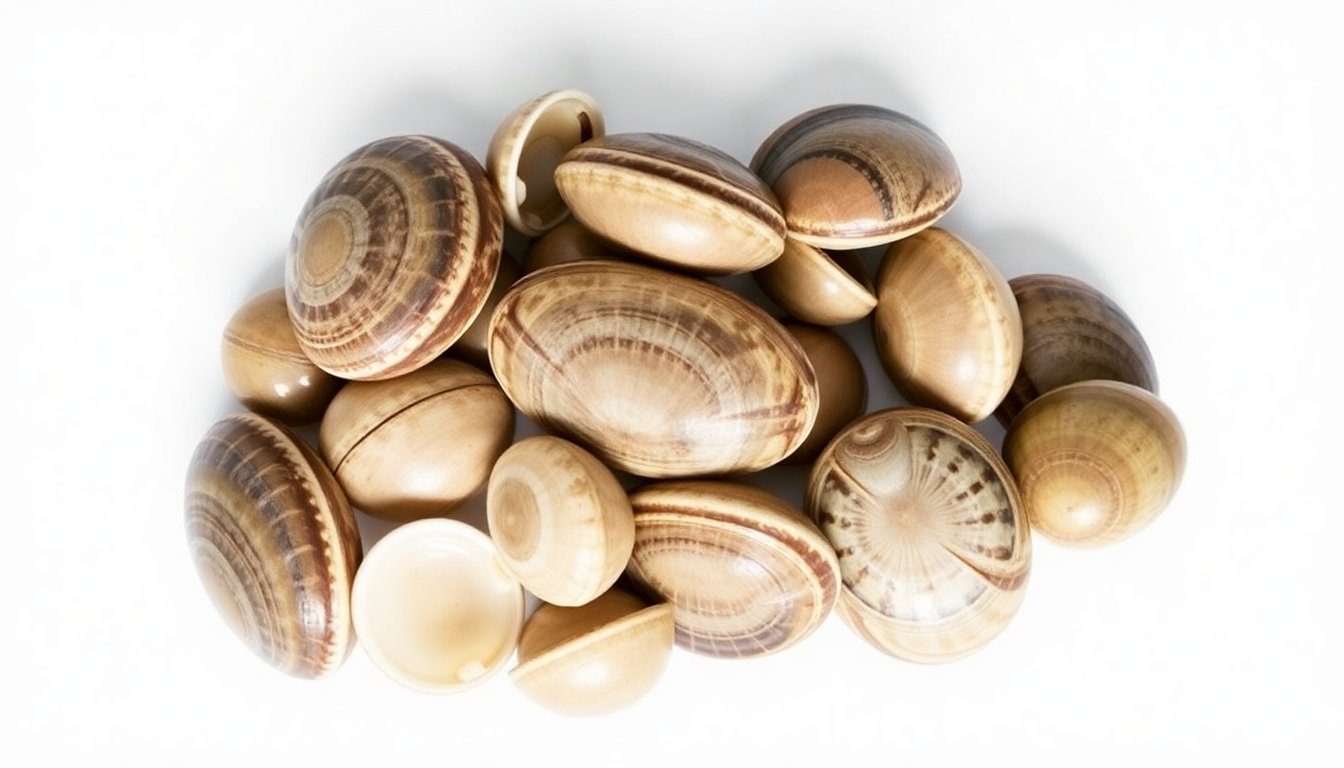
The strongest evidence comes from sieve-based sampling that yields live, microscopic recruits, which directly demonstrates recent reproduction and recruitment [...
Read Guide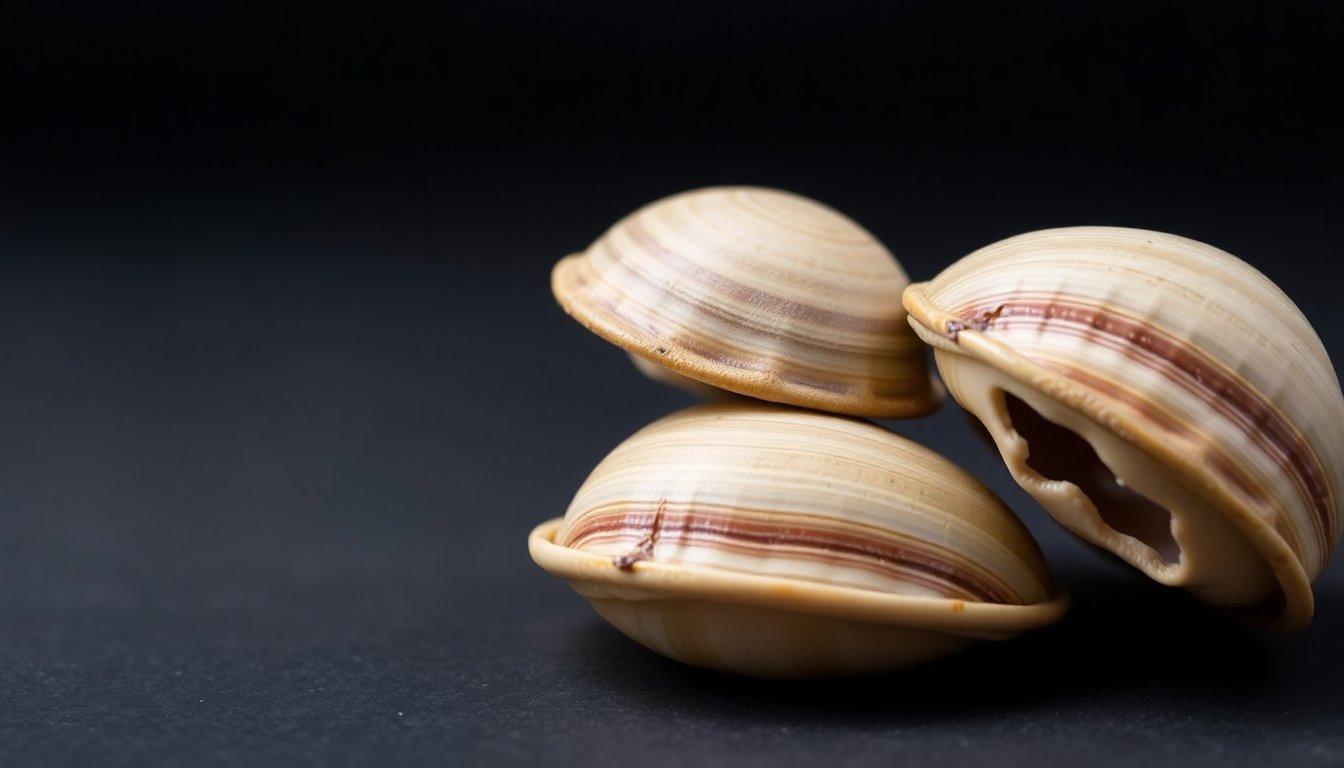
Manila clams (Ruditapes philippinarum) have been confirmed as an established non-native species along the Massachusetts coastline [1][2]
Read Guide
Manila clams (Ruditapes philippinarum) are a non-native species recently documented in New England waters [2]
Read Guide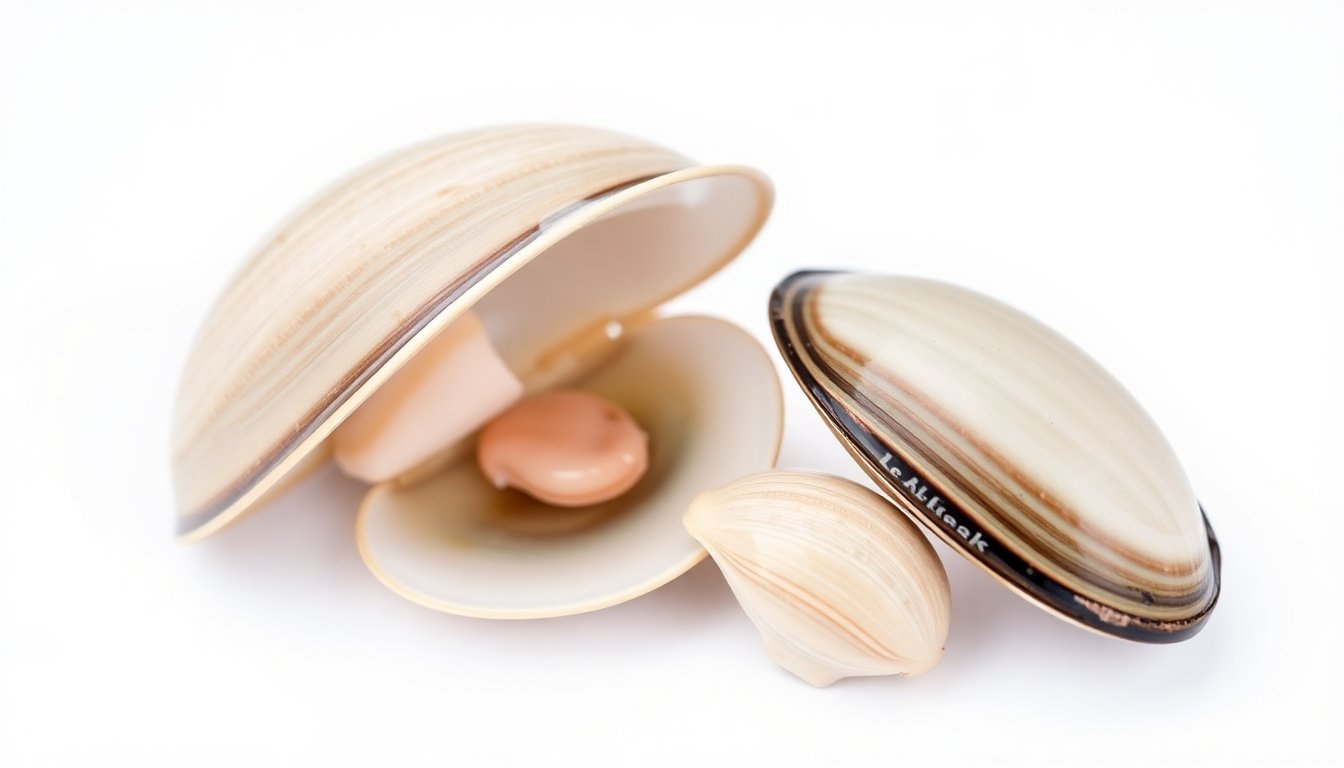
The Manila clam (Ruditapes philippinarum) and the Native littleneck clam (Leukoma staminea) are two different species, though they are often both sold under...
Read Guide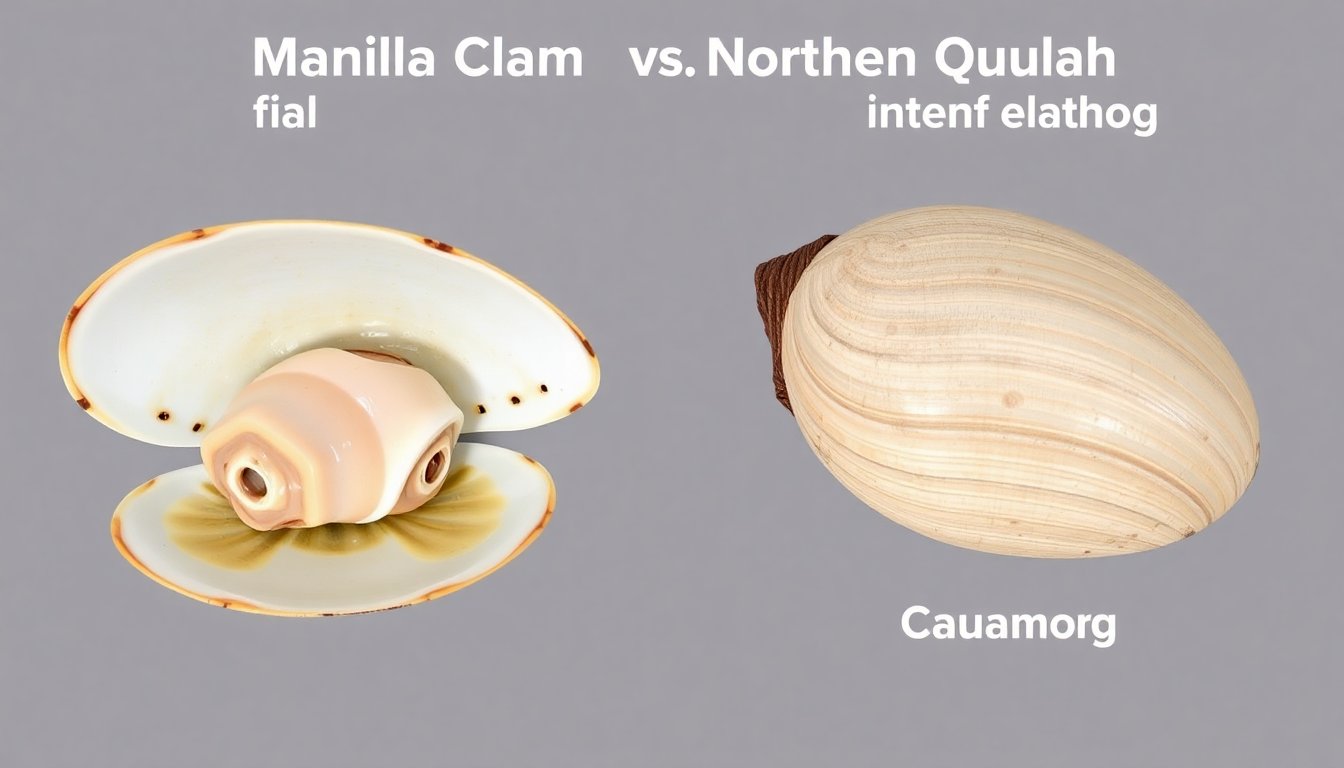
This guide provides a desk-research synthesis of the key features that distinguish the Manila clam (Ruditapes philippinarum) from the native Northern quahog (...
Read Guide
While the term invasive applies because it is non-native and has the potential to cause ecological harm, scientists also note that not all impacts may be nega...
Read Guide
This guide provides a step-by-step photo checklist based on information from government agencies and extension organizations tracking this non-native species [3...
Read Guide
If you spend time on Massachusetts tidal flats, you may encounter a clam that looks different from the familiar native quahog
Read Guide
This checklist provides a structured approach for observing shoreline wildlife responsibly, with a focus on Manila clam identification and responsible New Engla...
Read Guide